
A lot of business owners ask the same question right after launching a website or posting on social media for a few months without seeing much return: what are the different digital marketing strategies, and which ones actually move the needle?
The short answer is that digital marketing is not one tactic. It is a connected system. Some strategies help people find you. Some help them trust you. Some help them take action. The best mix depends on your goals, your market, your budget, and how ready your business is to follow up when leads come in.
For small and mid-sized businesses, especially in competitive local markets, the real advantage comes from choosing the right combination instead of trying to do everything at once.
What are the different digital marketing strategies businesses use?
Digital marketing strategies are the methods businesses use to attract attention online, turn that attention into leads, and convert those leads into customers. That can include search visibility, paid advertising, social media, content, email, website optimization, and newer AI-supported systems that improve speed and consistency.
Not every strategy plays the same role. Search engine optimization builds long-term visibility. Pay-per-click advertising can drive traffic fast. Social media keeps your brand active and visible. Email helps you stay in front of people who already showed interest. Conversion optimization improves results from traffic you already have.
That is why business owners often get frustrated when they try one tactic in isolation. A good-looking website without traffic does not produce leads. Paid ads without a strong landing page waste budget. Social media without a clear offer can generate attention but not revenue.
SEO builds long-term visibility
Search engine optimization, or SEO, helps your business show up when people search for products or services you offer. For a local company, that might mean ranking for searches tied to your city, service area, or niche.
SEO usually includes on-page work like page titles, service content, location signals, and site structure. It also includes technical performance such as speed, mobile usability, and crawlability. Local SEO adds another layer through map visibility, business profile optimization, review signals, and local relevance.
The value of SEO is durability. If your site earns visibility for the right terms, you can generate leads without paying for every click. The trade-off is time. SEO typically takes longer than paid media, and results depend on competition, website quality, and consistency.
For many businesses, SEO works best when paired with website improvements. If visitors land on a page that is slow, confusing, or missing clear next steps, rankings alone will not solve the problem.
PPC delivers speed and control
Pay-per-click advertising, often through search engines or social platforms, is one of the fastest ways to generate targeted traffic. You can put your business in front of people actively looking for what you offer or in front of audiences that match a specific profile.
PPC is useful when you need leads now, when you are launching a new service, or when you want to test messaging before investing heavily in long-term organic growth. It also gives you tighter control over geography, timing, budget, and audience segments.
The trade-off is cost and management. Poor targeting, weak ad copy, or a low-converting landing page can burn through budget quickly. Paid traffic can be highly effective, but only when the campaign is built around real business goals and tracked properly.
For local service businesses, this often means focusing on high-intent keywords, strong calls to action, and follow-up systems that make every lead count.
Social media marketing keeps your brand visible
Social media is often where businesses spend the most energy and get the most mixed results. That usually happens when posting becomes the strategy instead of supporting the strategy.
Used well, social media marketing builds familiarity, trust, and engagement. It helps people see your brand regularly, understand your value, and stay connected between buying moments. It can also support customer service, local reputation, and community presence.
Different platforms serve different purposes. Instagram and Facebook can help local businesses stay top of mind. LinkedIn is stronger for B2B positioning. Short-form video can increase reach quickly, but it takes consistency and creative discipline.
Social media is not always the strongest direct lead generator on its own. In many cases, its bigger role is assisting conversion by reinforcing credibility after someone discovers you somewhere else.
Content marketing earns trust before the sale
Content marketing includes blogs, service pages, videos, FAQs, guides, and other materials that answer questions and help potential customers make decisions. It supports SEO, gives your audience useful information, and positions your business as credible.
This strategy works especially well for businesses with longer decision cycles or services that require trust. If a prospect needs to compare options, understand pricing factors, or feel confident in your expertise, content helps close that gap.
The best content is practical and specific. It should address real customer concerns, not just chase traffic. A local business will usually get more value from clear service content, area-specific pages, and helpful educational assets than from broad articles with no connection to buyer intent.
Content also has a multiplying effect. One well-planned article or video can support search traffic, email nurturing, social media posts, and sales conversations.
Email marketing turns interest into action
Email remains one of the most cost-effective digital marketing strategies because it speaks to people who already know your business. These are past customers, current leads, referral partners, or subscribers who raised their hand in some way.
Email can be used to nurture leads, promote seasonal offers, follow up after form submissions, share updates, and re-engage inactive contacts. It works because it is direct and owned. You are not dependent on a social algorithm to reach your audience.
The challenge is relevance. Generic blasts get ignored. Good email marketing is segmented, timely, and built around what the reader actually cares about. For example, a business sending one sequence to new leads and another to past customers will usually outperform a one-size-fits-all approach.
For many companies, email is the missing bridge between lead generation and actual sales activity.
Website optimization is a marketing strategy, not a design detail
A website is often treated like a digital brochure, but in practice it is your conversion engine. Every marketing strategy points back to it. If the site does not load well, explain your value quickly, and make it easy to contact you, your other marketing efforts lose power.
Website optimization includes user experience, mobile responsiveness, calls to action, landing pages, page speed, trust signals, and form design. It also includes how well the site supports search visibility and campaign tracking.
This matters because more traffic does not automatically create more business. Sometimes the fastest growth comes from improving what happens after the click. A better contact form, stronger service page, or cleaner booking flow can raise conversions without increasing ad spend.
That is one reason integrated agencies often outperform disconnected vendors. When strategy, website performance, and campaign execution work together, results become easier to measure and improve.
AI-powered marketing improves efficiency and follow-up
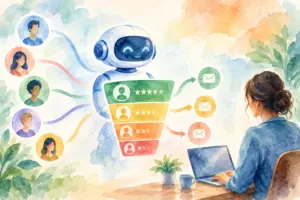
AI is now part of the digital marketing conversation for a good reason. It can help businesses respond faster, qualify leads, support content workflows, automate follow-up, and improve reporting.
That does not mean AI replaces strategy. It means it can strengthen execution. A chatbot can capture leads after hours. Automated workflows can route inquiries faster. AI-assisted reporting can surface patterns that help you make better budget decisions. Content support tools can help teams move faster when paired with strong human review.
The opportunity is real, but so is the need for oversight. Businesses that use AI well treat it as a performance tool, not a shortcut for everything.
What are the different digital marketing strategies worth prioritizing first?
The answer depends on where your business is right now.
If your website is outdated or hard to use, fix that first. If you need leads quickly, PPC may be the right move. If you want stronger long-term visibility, SEO and content should be part of the plan. If your audience already knows you but is not converting consistently, email and follow-up automation may offer the fastest return. If your brand lacks visibility in the community, social media and local SEO can help build presence.
For many small businesses, the strongest approach is not choosing one strategy over another. It is building a practical stack. That often starts with a solid website, local SEO, targeted paid campaigns, active social support, and tracking that shows what is actually producing results.
At Total Online Presence, we see the biggest gains when businesses stop chasing random tactics and start building a connected digital system around visibility, engagement, and conversion.
The smartest strategy is the one your business can sustain, measure, and improve over time. Start with what solves the most urgent bottleneck, then build from there with purpose.